
Shine, Flow, and Finish: The Art of Modern Cake Sheen
From Kitchen to Gallery: Understanding Fluid Finishes
Temperature Sweet Spot
Great pours flow at temperatures that respect both chocolate and gelatin. For mirror glaze, around 32–35°C often delivers a glossy sheet that hugs edges without tearing. Ganache drips prefer slightly warmer fluidity, then set as the cake chills. Mastering this narrow window prevents dull patches, reduces overrun on sides, and maintains a luxuriously even coat. Use a digital thermometer, test on a chilled plate, and trust gentle reheating over rushed microwaving to keep crystals calm and shine radiant.
Color and Light Behave Like Ingredients
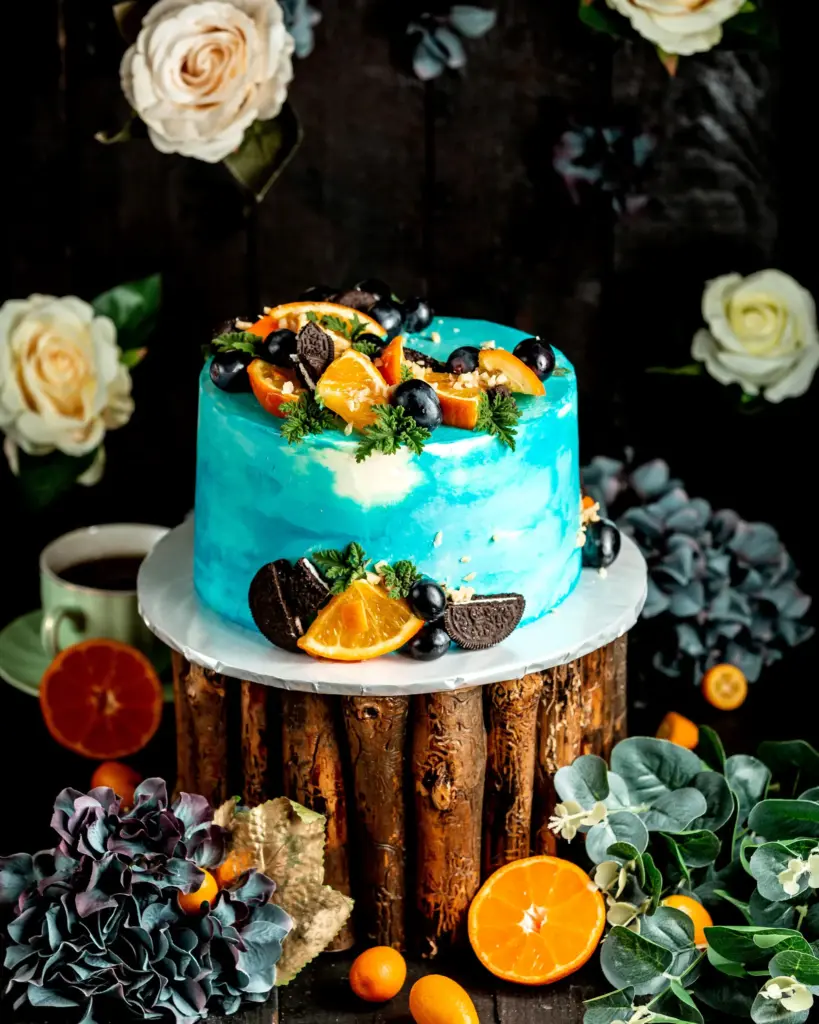
Pigments, opacity, and ambient light interact as if they were ingredients, changing the perceived depth of your finish. White chocolate bases amplify bright dyes; darker chocolate mutes but enriches tone. Overly saturated colors can look flat unless you balance them with reflective highlights or contrasting drips. Consider venue lighting and photography: natural daylight softens gleam, while spotlights intensify reflections. Treat color planning like seasoning, adding layers gradually, tasting with your eyes, and stepping back often to judge harmony from different angles and distances.
A Pristine Base Sets the Stage
No pour can hide a lumpy canvas. A smooth, well-chilled buttercream or ganache undercoat ensures the glaze or drip glides without catching crumbs or forming ripples. Freeze to firm, not frost-bite, so condensation stays minimal. Fill gaps, sharpen edges, and level your tiers before reaching for a pitcher. The smoother the base, the thinner the final coat can be while still looking luxurious. Think sculpture: preparation determines elegance, and careful chilling grants you extra seconds of perfect, patient flow.
Chocolate Choices, From Ivory to Midnight
White chocolate creates a remarkable color canvas and creamy sweetness but softens easily, preferring higher chocolate-to-cream ratios for drips. Milk chocolate gives gentle caramel notes with moderate body. Dark chocolate delivers intensity and firmer structure, helping drips anchor with dramatic contrast. For mirror glaze, white chocolate best broadcasts color; for drips, consider flavor balance and desired firmness. Source consistent brands, note cocoa butter percentages, and test small batches, because even subtle formulation shifts change viscosity, set speed, and perceived sweetness significantly.
Sugars, Gels, and Shimmering Stability
Glucose or corn syrup discourages crystallization and helps create that glass-like stretch in mirror glazes. Granulated sugar contributes body, while gelatin gives elasticity and a tender set that slices cleanly. Bloom gelatin correctly to avoid graininess. A touch of neutral glaze or nappage can add protective shine and slow moisture migration. For vegan variations, explore pectin or agar, adjusting hydration and heat carefully. Stability is choreography: each stabilizer plays a role, and proportion turns chaos into silky, camera-ready calm with dependable, luxurious flow.
Dairy, Water, and the Secret Life of Fat
Cream and condensed milk enrich flavor and mouthfeel, but fat also shapes viscosity and shine. Too much water dulls, too little stiffens; aim for balance that respects emulsions. For ganache drips, choose cream fat percentages that support flow without greasiness. For mirror glazes, condensed milk encourages gloss while keeping sweetness rounded. Blend gently to preserve emulsion, avoiding air bubbles that scar the surface. Remember, refrigeration changes texture over hours, so consider serving windows when finalizing ratios to maintain both beauty and sublime sliceability.
Technique in Motion: Pouring, Dripping, and Edge Control
Color Stories, Metallic Magic, and Textural Contrast
When Shine Falters: Smart Fixes and Prevention
{{SECTION_SUBTITLE}}
Temperature Errors, Diagnosed and Corrected
Condensation, Humidity, and the Cold Chain
Flavor First: Pairings That Elevate Every Shine
Chocolate Meets Citrus, Berries, and Spice
Infusions and Aromatics Without Murky Color
Salt, Texture, and the Lingering Afterglow
Bench Tales, Experiments, and Your Turn to Shine
A Last‑Minute Save Worth Remembering
Community Wisdom: Notes from Many Kitchens
Your Challenge: Three Pours, One Weekend
All Rights Reserved.