Shine, Flow, and Finish: The Art of Modern Cake Sheen

Today we dive into pour-over glazes and ganache drips for contemporary cake finishes, blending precise temperatures, glossy chemistry, and playful artistry. Expect practical steps, vivid color ideas, kitchen-tested ratios, and uplifting stories that turn small mistakes into dazzling highlights on showstopping celebration cakes. Join us as we share pro tips, cautionary tales, and confidence-boosting techniques that help your creations sparkle under any spotlight, whether you are baking for a tiny tea party or a grand, camera-ready celebration embraced by friends, clients, and hungry admirers.

From Kitchen to Gallery: Understanding Fluid Finishes

Fluid finishes look effortless because science and timing quietly do the heavy lifting. Gloss appears when chocolate crystals, sugars, and water align; smooth drips happen when viscosity cooperates with gravity and a cold cake. Learn why a mirror-like sheen depends on balanced ratios, respectful heating, and an undisturbed surface. Discover how a reliable crumb coat, a level build, and proper chilling convert every pour into a dramatic, controlled cascade that catches light, reveals color depth, and celebrates motion without looking chaotic or heavy-handed.

Temperature Sweet Spot

Great pours flow at temperatures that respect both chocolate and gelatin. For mirror glaze, around 32–35°C often delivers a glossy sheet that hugs edges without tearing. Ganache drips prefer slightly warmer fluidity, then set as the cake chills. Mastering this narrow window prevents dull patches, reduces overrun on sides, and maintains a luxuriously even coat. Use a digital thermometer, test on a chilled plate, and trust gentle reheating over rushed microwaving to keep crystals calm and shine radiant.

Color and Light Behave Like Ingredients

Pigments, opacity, and ambient light interact as if they were ingredients, changing the perceived depth of your finish. White chocolate bases amplify bright dyes; darker chocolate mutes but enriches tone. Overly saturated colors can look flat unless you balance them with reflective highlights or contrasting drips. Consider venue lighting and photography: natural daylight softens gleam, while spotlights intensify reflections. Treat color planning like seasoning, adding layers gradually, tasting with your eyes, and stepping back often to judge harmony from different angles and distances.

A Pristine Base Sets the Stage

No pour can hide a lumpy canvas. A smooth, well-chilled buttercream or ganache undercoat ensures the glaze or drip glides without catching crumbs or forming ripples. Freeze to firm, not frost-bite, so condensation stays minimal. Fill gaps, sharpen edges, and level your tiers before reaching for a pitcher. The smoother the base, the thinner the final coat can be while still looking luxurious. Think sculpture: preparation determines elegance, and careful chilling grants you extra seconds of perfect, patient flow.
Chocolate Choices, From Ivory to Midnight

White chocolate creates a remarkable color canvas and creamy sweetness but softens easily, preferring higher chocolate-to-cream ratios for drips. Milk chocolate gives gentle caramel notes with moderate body. Dark chocolate delivers intensity and firmer structure, helping drips anchor with dramatic contrast. For mirror glaze, white chocolate best broadcasts color; for drips, consider flavor balance and desired firmness. Source consistent brands, note cocoa butter percentages, and test small batches, because even subtle formulation shifts change viscosity, set speed, and perceived sweetness significantly.

Sugars, Gels, and Shimmering Stability

Glucose or corn syrup discourages crystallization and helps create that glass-like stretch in mirror glazes. Granulated sugar contributes body, while gelatin gives elasticity and a tender set that slices cleanly. Bloom gelatin correctly to avoid graininess. A touch of neutral glaze or nappage can add protective shine and slow moisture migration. For vegan variations, explore pectin or agar, adjusting hydration and heat carefully. Stability is choreography: each stabilizer plays a role, and proportion turns chaos into silky, camera-ready calm with dependable, luxurious flow.

Dairy, Water, and the Secret Life of Fat

Cream and condensed milk enrich flavor and mouthfeel, but fat also shapes viscosity and shine. Too much water dulls, too little stiffens; aim for balance that respects emulsions. For ganache drips, choose cream fat percentages that support flow without greasiness. For mirror glazes, condensed milk encourages gloss while keeping sweetness rounded. Blend gently to preserve emulsion, avoiding air bubbles that scar the surface. Remember, refrigeration changes texture over hours, so consider serving windows when finalizing ratios to maintain both beauty and sublime sliceability.

Technique in Motion: Pouring, Dripping, and Edge Control
Technique translates intention into finish. The height of your pour, the speed of your rotation, and the angle of your spatula decide whether you achieve an elegant sheet, delicate rivulets, or messy overflow. Drip placement begins with rhythm: consistent spacing, confident first contact, and patient assessment. Protect your board, elevate your cake, and collect runoff for touch-ups. When edges cooperate, the whole silhouette sings. With simple tools—a turntable, squeeze bottle, offset spatula—you can sculpt movement, freeze a moment, and celebrate gravity’s gentle artistry.

Color Stories, Metallic Magic, and Textural Contrast

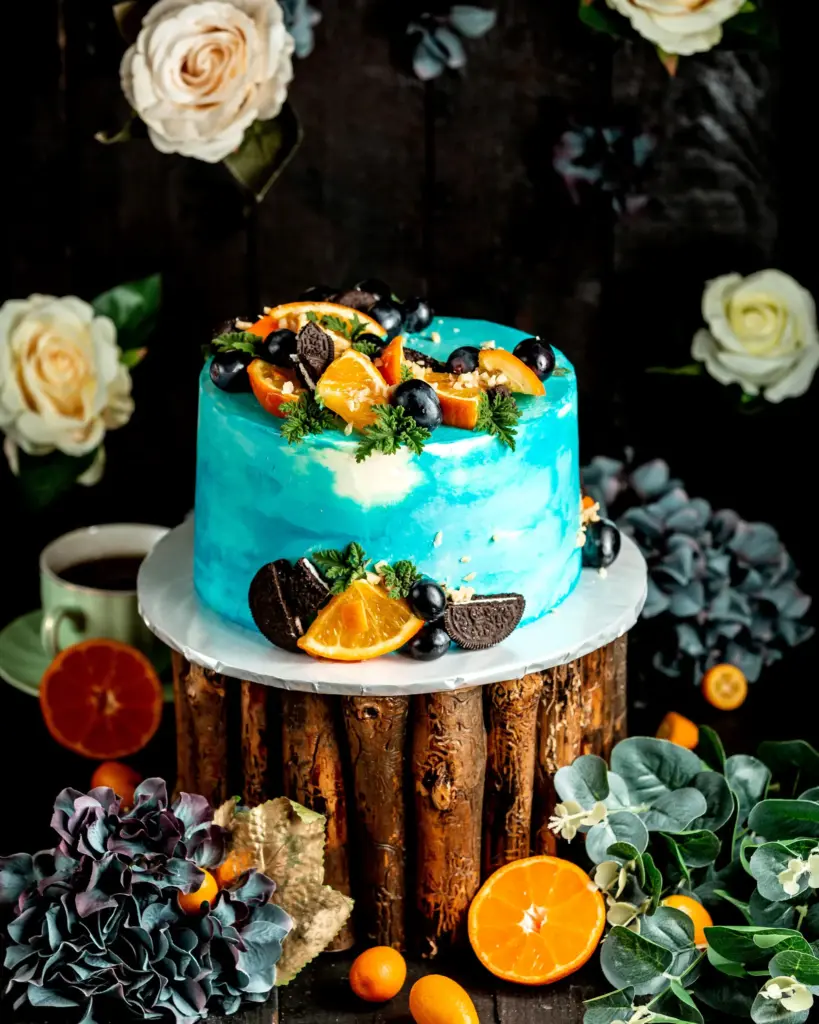
Visual drama thrives on contrast, restraint, and a few daring choices. Bold pigments paired with soft neutrals create depth; metallic leaf or luster accents echo jewelry against silk. Textural interruptions—crunchy praline shards, velvet sprays, or tempered chocolate sails—break up gloss in captivating ways. Consider palette psychology: cool blues calm, warm berries energize, monochrome gradients whisper luxury. Layer finishes thoughtfully so nothing competes for the spotlight. Each decision should serve flavor, sliceability, and the narrative you want guests to remember long after the last crumb.

When Shine Falters: Smart Fixes and Prevention

{{SECTION_SUBTITLE}}
Temperature Errors, Diagnosed and Corrected
A glaze that rushes down like rain is likely too warm; one that clings and ridges is too cool. Recalibrate with five-second bursts of gentle heat or brief rests over an ice bath, stirring often. For ganache drips, balance by adjusting cream or chocolate in tiny increments. Re-test on a chilled plate before committing to the cake. Precision beats guesswork: record the exact pouring point that consistently works in your kitchen, as altitude, humidity, and brand differences can meaningfully affect flow behavior and final sheen.

Condensation, Humidity, and the Cold Chain

Moving a frozen cake into humid air invites dew, which dulls shine and blurs details. To fight back, chill rather than deep-freeze when possible, and allow a brief acclimation period in a cooler room. Store finished cakes in boxes to buffer humidity shifts. If fog appears, pause decoration until droplets vanish, dabbing gently only if necessary. Avoid fans that scatter dust onto tacky surfaces. These small environmental habits keep surfaces clear, edges crisp, and colors true, especially during seasonal swings or crowded, steamy kitchen rushes.

Flavor First: Pairings That Elevate Every Shine
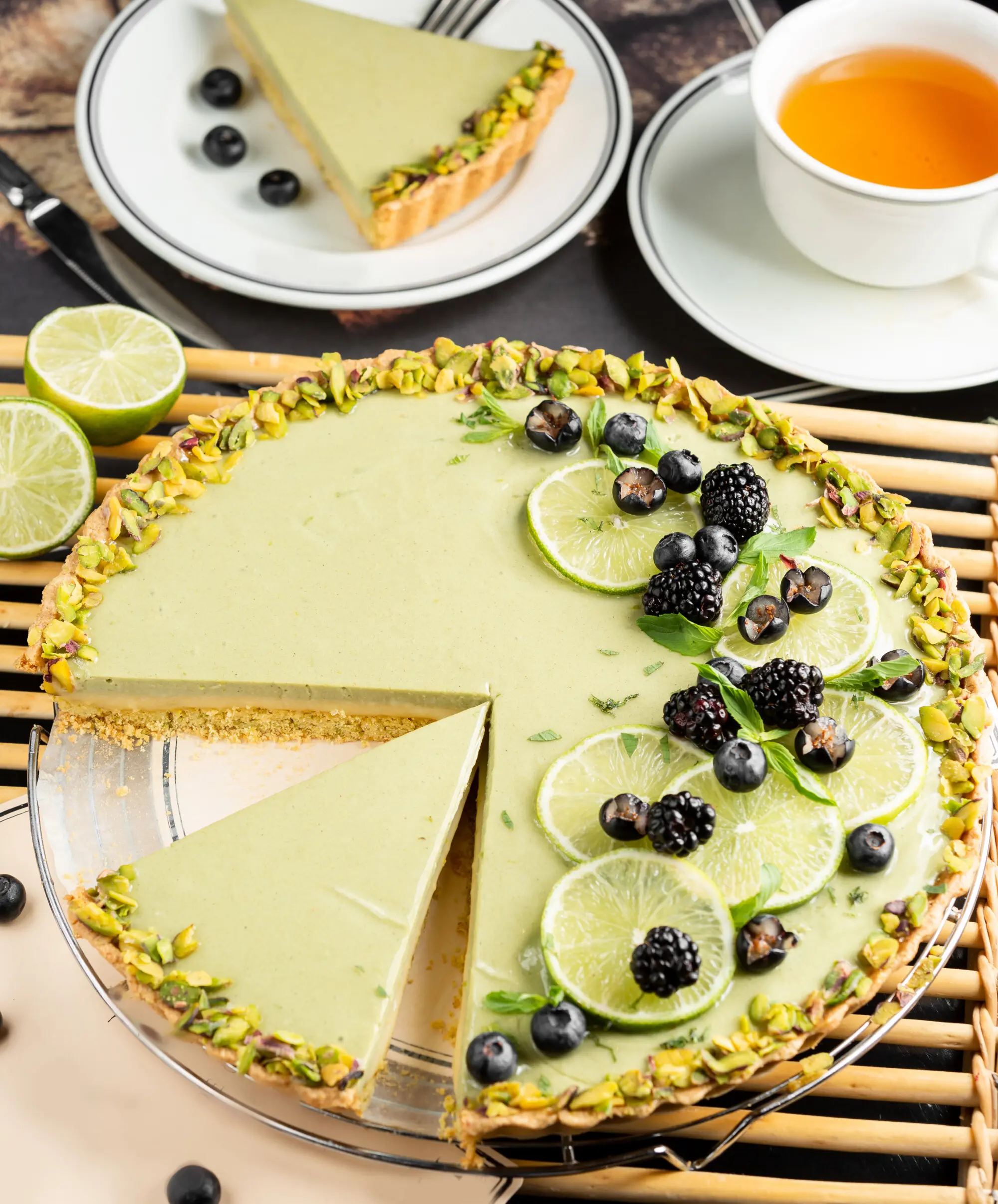
Beauty should never overshadow taste. Pair the richness of ganache drips with bright, zesty layers—passion fruit curd, raspberry confit, or yuzu cream—to keep palates awake. Mirror glazes can carry aromatic infusions like vanilla bean, espresso, or toasted coconut without losing clarity. Balance sweetness and bitterness, using salt to highlight chocolate complexity. Consider textural pacing between bites. A stunning exterior deserves an interior narrative that surprises gently, finishes cleanly, and invites one more forkful, convincing guests that elegance and generous flavor are inseparable companions.

Chocolate Meets Citrus, Berries, and Spice

Dark chocolate drips love tart counterpoints—blackcurrant, orange zest, or lime leaf syrup. Milk chocolate cozies up to cinnamon and roasted banana. White chocolate craves acidity: passion fruit, lemon, or tangy yogurt mousse. Fold citrus oils or berry reductions into underlying layers, not the glaze, preserving clarity. Use vanilla or cardamom sparingly to extend aromas without crowding chocolate’s voice. Think movement: each bite should glide from glossy first impression to balanced, layered finish that leaves the tongue refreshed, curious, and satisfied rather than overwhelmed.

Infusions and Aromatics Without Murky Color

To preserve mirror-like translucency, keep particles out. Infuse cream or syrup, then strain before mixing. Coffee beans, cocoa nibs, citrus peels, and herbs release captivating aromas into dairy or syrup bases. For drips, warm cream with aromatics, rest, and strain for purity. Avoid ground spices inside finishes that must gleam; relocate them to sponges, mousses, or sprinkled accents. The result is perfume without sediment, a clean sheet of shine that carries fragrance beautifully, whispering complexity while guarding that immaculate, hypnotic surface pastry lovers adore.

Salt, Texture, and the Lingering Afterglow

A few crystals of flaky sea salt awaken chocolate, sharpening edges of sweetness and deepening resonance. Consider contrast: silky pours benefit from gentle crunch, like feuilletine or praline swirls, hidden between layers. Build an aftertaste that invites conversation rather than palate fatigue, using restrained bitterness from cocoa, espresso, or toasted nuts. Every element should serve clarity, so the glaze or drips feel like a promise fulfilled by the first bite. Measured salt and texture turn pretty finishes into unforgettable, return-for-seconds experiences worth celebrating.

Bench Tales, Experiments, and Your Turn to Shine
Confidence grows with stories and shared trials. A midnight wedding cake once survived a heatwave because a calm re-pour at 33°C brought back mirror gloss minutes before delivery. Another baker learned to pre-chill boards after drips crawled beyond the base. These small lessons become community wisdom. Share your victories and stumbles, subscribe for weekly tests and ratio tweaks, and join challenges that nurture skill without pressure. Together, we transform curiosities into techniques and turn techniques into showpieces worthy of joyous, unforgettable celebrations.

A Last‑Minute Save Worth Remembering

Two hours before a summer ceremony, condensation blurred a crimson glaze. Instead of panicking, a quick rest in a drier room, gentle blotting at the base, and a carefully reheated, strained re-pour restored the glass. The couple never knew, but we logged every detail—room conditions, fridge cycles, and pour temperature—so the next weekend’s cake was smoother, faster, and calmer. Crisis turned practice into process, proving that methodical notes and collected breath rescue beauty when unpredictable weather tries to steal the spotlight.

Community Wisdom: Notes from Many Kitchens

Readers reported that using identical brands across batches stabilized their results more than any single trick. Others swear by testing on chilled tiles before committing. Several pros place cakes in boxes for a humidity buffer during transport. Share your routines, ratios, and recoveries below. Comment with photos of edges you’re proud of or pours you want to troubleshoot. We gather these patterns, summarize findings in upcoming posts, and credit contributors, building a shared library that keeps everyone’s shine bright through seasons and schedules.

Your Challenge: Three Pours, One Weekend

Try a mirror glaze at 34°C over a white-chocolate mousse cake, a milk-chocolate ganache drip with citrus layers, and a dark-chocolate drip on a peanut-praline torte. Record temperatures, rest times, and room conditions. Photograph each under window light and lamp light to compare reflections. Share what surprised you most, any fixes you discovered, and which finish you would proudly repeat for guests. We will feature standout experiments, answer top questions, and suggest next steps so your confidence compounds with every delicious, shimmering success.
Kavisavixarilumatunotelilori
Privacy Overview

This website uses cookies so that we can provide you with the best user experience possible. Cookie information is stored in your browser and performs functions such as recognising you when you return to our website and helping our team to understand which sections of the website you find most interesting and useful.